 See Google Review
 See Practo Review
 WhatsApp US
Digital dentistry is changing how dentists plan complex restorative and implant treatments. One technology used in digital full-arch workflows is NeoBiotech SMILE ARCH, which supports clinicians in assessing and planning the vertical dimension of occlusion (VDO). At Dr. Rahul’s Dentaville, digital technologies are incorporated into selected restorative and implant workflows to support detailed treatment planning […]
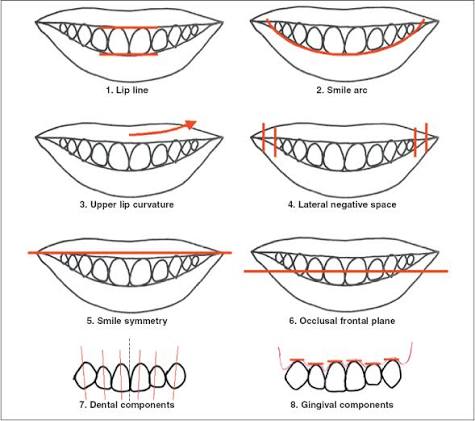
Digital dentistry is changing how dentists plan complex restorative and implant treatments. One technology used in digital full-arch workflows is NeoBiotech SMILE ARCH, which supports clinicians in assessing and planning the vertical dimension of occlusion (VDO).
At Dr. Rahul’s Dentaville, digital technologies are incorporated into selected restorative and implant workflows to support detailed treatment planning and prosthetic rehabilitation.
Vertical Dimension of Occlusion, or VDO, refers to the vertical relationship between the upper and lower jaws when the teeth are in contact.
VDO is an important consideration in complex restorative treatment because it relates to several aspects of rehabilitation, including:
Changes in the patient’s dentition, such as extensive tooth wear or tooth loss, can make restorative treatment more complex. In these situations, establishing an appropriate vertical relationship becomes an important part of treatment planning.
NeoBiotech SMILE ARCH is a digital system associated with full-arch implant and prosthetic workflows.
NeoBiotech’s current materials describe Smile Arch in relation to digital All-on-X treatment, full-arch prosthetic design and workflows involving digital data and provisional prostheses. The system is intended to help clinicians simplify and coordinate different stages of full-arch treatment.
For complex rehabilitation cases, digital information can help connect the planning of the patient’s bite, prosthetic design and implant treatment.
Determining VDO is one component of comprehensive restorative treatment planning.
A dentist may consider several clinical factors when establishing the appropriate vertical relationship, including:
Digital systems can provide additional information to support this process.
The technology assists the clinician, while the final treatment plan still depends on clinical examination, diagnosis and professional judgment.
NeoBiotech’s published material describes Smile Arch as part of a digital full-arch workflow. The system has been presented alongside digital approaches to provisional prosthesis fabrication, guided treatment and immediate loading protocols in selected full-arch cases.
The broader workflow can involve digital data collection, implant planning, prosthetic design and fabrication.
NeoBiotech also provides Smile Arch scan body components and digital CAD/CAM libraries as part of its digital dentistry ecosystem.
VDO is particularly relevant when a patient requires extensive restorative treatment.
A carefully planned vertical relationship can help the dental team coordinate the functional and aesthetic aspects of a rehabilitation.
Depending on the case, VDO considerations may be relevant to:
The appropriate VDO is determined as part of the overall clinical treatment plan rather than by a digital device alone.
Digital dentistry can make complex information easier to collect, visualize and incorporate into treatment planning. It also allows different digital records to be connected across clinical and laboratory workflows.
However, technology is only one part of predictable implant and restorative treatment.
NeoBiotech’s own educational material emphasizes the importance of clinical judgment, bone biology, soft-tissue healing, biomechanics, occlusion and individual patient risk factors alongside digital technology.
This combination of digital planning and clinical expertise is particularly important in complex full-arch rehabilitation.
At Dr. Rahul’s Dentaville, digital dentistry is used across selected implant, restorative and rehabilitation workflows.
Technologies such as digital scanning, CBCT, CAD-CAM and digital treatment planning can help clinicians coordinate different stages of complex dental treatment.
The use of systems such as NeoBiotech SMILE ARCH adds another digital component to treatment planning where appropriate, particularly in cases involving extensive restorative or full-arch rehabilitation.
Digital VDO assessment can be relevant when treatment involves significant changes to the patient’s existing bite or extensive prosthetic rehabilitation.
Examples can include:
Whether a particular digital workflow is appropriate depends on the patient’s clinical condition and treatment requirements.
VDO stands for Vertical Dimension of Occlusion. It describes the vertical relationship between the upper and lower jaws when the teeth are in contact.
NeoBiotech SMILE ARCH is associated with digital full-arch implant and prosthetic workflows. It can support clinicians in coordinating digital information for treatment planning and prosthetic rehabilitation.
No. The appropriate digital workflow depends on the patient’s dental condition, treatment requirements and clinical assessment.
VDO is one of the factors considered when planning the relationship between the upper and lower jaws, particularly in extensive restorative treatment. It can influence functional, aesthetic and prosthetic planning.
Digital technology can assist with assessment and planning, but determining an appropriate VDO requires clinical evaluation and professional judgment.
Yes. NeoBiotech’s published material describes Smile Arch in the context of digital full-arch and All-on-X workflows.