 See Google Review
 See Practo Review
 WhatsApp US
Tooth pain can make eating, sleeping and everyday activities uncomfortable. Some toothaches settle with simple treatment, while others can indicate damage or infection inside the tooth. Here are five common signs you may need a root canal treatment and why you should have them assessed by a dentist. 1. Persistent Tooth Pain Pain that continues […]
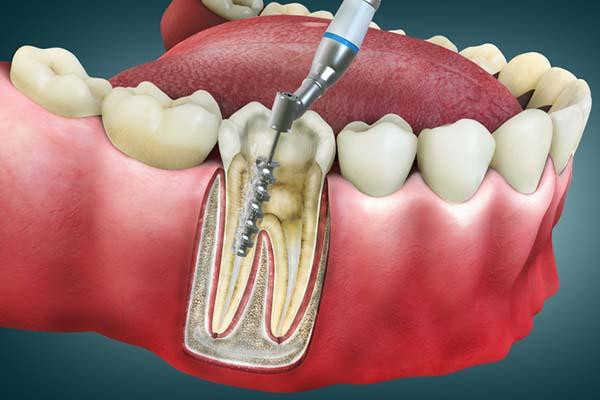
Tooth pain can make eating, sleeping and everyday activities uncomfortable. Some toothaches settle with simple treatment, while others can indicate damage or infection inside the tooth.
Here are five common signs you may need a root canal treatment and why you should have them assessed by a dentist.
Pain that continues for several days or keeps returning deserves a dental examination.
When the soft tissue inside a tooth, called the pulp, becomes inflamed or infected, you may experience persistent pain. The discomfort can sometimes become worse when you bite or put pressure on the tooth.
The cause of tooth pain can vary, so an examination is needed to determine whether root canal treatment is appropriate.
A sharp sensation after drinking something hot or cold can have several causes. However, prolonged sensitivity that continues after the food or drink is gone can indicate inflammation or damage affecting the pulp.
For example, if a tooth continues to ache after drinking hot tea or eating something cold, arrange a dental examination. Your dentist can determine whether the pulp has been affected and whether root canal treatment is required.
Swelling around a particular tooth can be a sign of infection.
You may notice:
A pimple-like swelling can sometimes be associated with a dental abscess, which is a collection of pus caused by infection.
If you notice swelling together with tooth pain or fever, seek dental care promptly.
A tooth that becomes noticeably darker or grayish than the surrounding teeth should be examined by a dentist.
Changes in tooth colour can occur after trauma or when the pulp inside a tooth has been damaged. Depending on the cause and condition of the tooth, root canal treatment may be recommended.
After treatment, the tooth may also require a restoration such as a crown to help protect its remaining structure.
Pain when biting down, chewing or touching a particular tooth can indicate inflammation around the tooth or problems affecting the pulp.
You may also feel that the tooth is unusually sensitive to pressure.
Persistent pain while chewing should be assessed rather than ignored. A dentist can examine the tooth and use appropriate diagnostic tests to identify the cause.
No single symptom confirms that root canal treatment is necessary.
Tooth pain and sensitivity can have several causes, including decay, cracks, gum problems, trauma and other dental conditions. Your dentist may examine the tooth, assess your symptoms and use dental imaging or other diagnostic tests before recommending treatment.
Root canal treatment is generally considered when the pulp inside the tooth has become irreversibly inflamed or infected.
Root canal treatment removes the affected pulp from inside the tooth. The canals are then cleaned, disinfected and sealed.
The aim is to treat the source of infection or inflammation while preserving the natural tooth.
Depending on the amount of tooth structure remaining, your dentist may recommend a crown or another restoration after the root canal to protect the tooth during normal chewing.
Arrange a dental examination if you have:
Facial swelling, difficulty breathing or swallowing, or rapidly worsening symptoms require urgent medical and dental attention.
Early assessment can help identify the cause of the problem and determine the appropriate treatment.
At Dr. Rahul’s Dentaville in Hiranandani Estate, Thane, root canal treatment is supported by modern dental technology and diagnostic techniques.
The clinic’s treatment capabilities include microscopic dental treatments and digital dental technology for selected procedures.
If you are experiencing persistent tooth pain, sensitivity, swelling or pain while chewing, a dental examination can help determine whether root canal treatment is appropriate for your tooth.
Persistent tooth pain, lingering hot or cold sensitivity, pain while chewing and swelling around a tooth can be signs of a problem affecting the pulp. A dentist needs to examine the tooth to determine the cause.
Yes. Some teeth with pulp damage or infection may cause little or no pain. Regular dental examinations can help identify problems before symptoms become severe.
No. Cold sensitivity can have several causes. The duration and nature of the sensitivity, along with the condition of the tooth, help your dentist determine the appropriate treatment.
An untreated dental infection can progress and affect the tissues surrounding the tooth. The appropriate treatment depends on the source and extent of the infection.
Your dentist may assess your symptoms, examine the tooth, test its response to different stimuli and use dental X-rays or other imaging when needed. These findings help determine whether root canal treatment is appropriate.